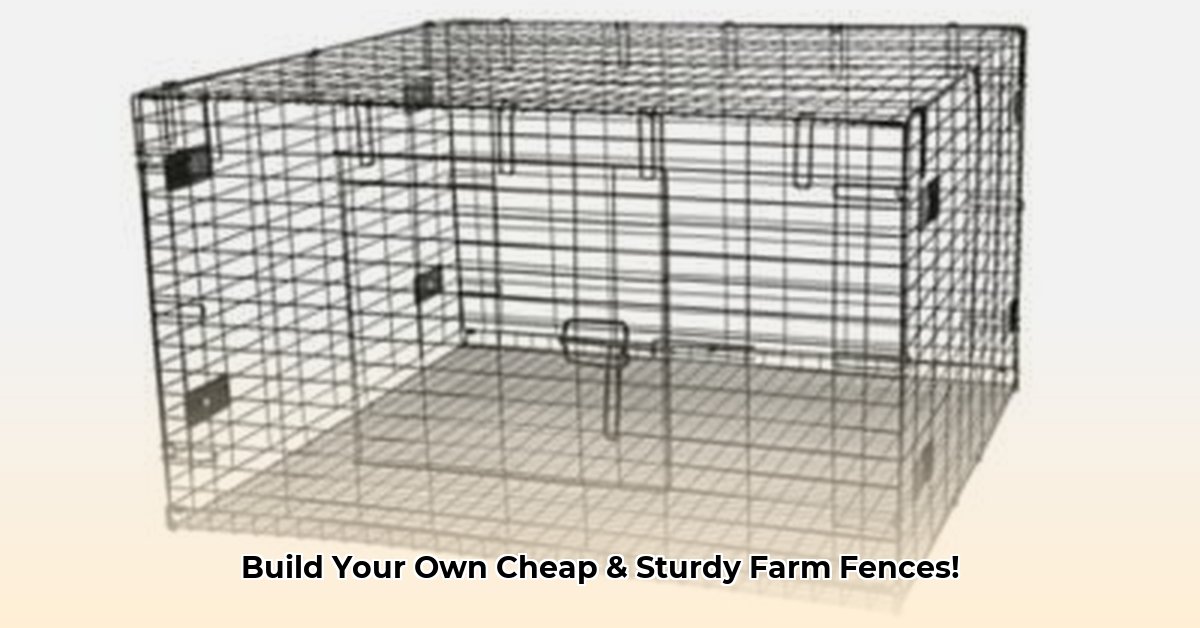
Building durable and sustainable farm fences is crucial for protecting livestock and crops. This guide provides a comprehensive approach to constructing effective fences using Tractor Supply cage wire, while also exploring eco-friendly alternatives. We'll cover everything from choosing the right materials to installation, maintenance, and long-term cost considerations. For more information on exercise pens, check out this helpful resource: Tractor Supply Pens.
Understanding Cage Wire: Choosing the Right Material
Tractor Supply offers various cage wires, differing in gauge (thickness), mesh size (hole size), and material. A higher gauge number indicates thinner wire, while lower numbers represent thicker, stronger wire. Galvanized steel is common, offering rust resistance. Mesh size should align with the size of the animals you're containing; smaller animals require smaller mesh sizes. What gauge and mesh size do you need for your specific farm animals and terrain?
Assessing Your Needs: Planning for Success
Before purchasing, consider these key factors:
- Livestock: What animals require containment? This determines the needed mesh size and wire strength. Larger, stronger animals necessitate stronger fencing.
- Budget: Establish a realistic budget encompassing materials, labor, and potential future maintenance or repairs. Will you need to consider financing options?
- Terrain: Level ground requires less material and effort than hilly or uneven terrain, which may need additional posts and bracing for stability. What's the topography of your land?
- Desired Lifespan: A temporary fence requires less robust materials than a permanent structure. How long do you anticipate this fence to serve your needs?
Addressing these questions beforehand streamlines the process and prevents costly mistakes.
Installing Your Fence: A Step-by-Step Guide
Constructing a strong fence involves these key steps:
- Planning & Measurement: Accurately measure your perimeter, noting gates and access points. Use a detailed plan to ensure even spacing and straight lines.
- Post Placement: Dig holes at least 3 feet deep, ensuring stability, especially in loose soil—consider stronger posts to minimize sagging. Adding concrete to the holes can greatly increase the longevity and stability of your fence.
- Wire Attachment: Securely attach the cage wire to the posts, using tensioning tools to maintain tautness. Use wire ties or staples appropriate for the gauge and type of wire.
- Gate Installation: Install well-built gates, ensuring robust hinges and latches to withstand animal pressure. Always consider the size and strength of the animals when building the gate.
- Final Inspection: Thoroughly check for loose wires, sagging sections, or any gaps that could allow animals to escape.
Proper installation significantly influences the longevity and effectiveness of your fence.
Maintenance and Longevity: Extending Fence Life
Regular maintenance is paramount for prolonging fence lifespan and minimizing costs:
- Annual Inspections: Check for rust, damaged wire, broken posts, and signs of animal tampering. What preventative measures can you use to decrease maintenance?
- Prompt Repairs: Address any damage immediately to prevent further deterioration. A small problem today may lead to costly repairs down the road.
- Cleaning: Remove debris and vegetation around the fence to prevent damage and improve sight lines. How often should you schedule these cleaning events?
- Rust Prevention: Apply rust-resistant coatings to galvanized steel wire to extend its life and maintain its strength. What are the available coating options?
Sustainable Alternatives: Comparing Options
While Tractor Supply cage wire offers affordability and accessibility, consider these environmentally friendlier alternatives:
| Material | Pros | Cons | Lifecycle Cost |
|---|---|---|---|
| Tractor Supply Cage Wire | Readily available, durable | High environmental impact, limited recyclability | Moderate to High |
| Bamboo | Renewable, aesthetically pleasing | Shorter lifespan, susceptible to rot and insects | Low to Moderate |
| Recycled Plastic | Environmentally friendly, durable | Higher upfront cost, appearance may be less appealing | High to Very High |
Choosing the "best" option requires careful consideration of your budget, environmental concerns, and the specific needs of your farm. How much weight will you give to each of these factors?
Lifecycle Cost Analysis: The Long View
Focus on total cost rather than just the initial investment. Factor in:
- Initial Purchase: Material costs and labor for installation.
- Maintenance: Regular inspections, repairs, and treatments.
- Replacement: The cost of replacing sections or the entire fence over time.
A more expensive, durable option could prove more cost-effective in the long run by extending the time between repairs and replacements.
Addressing Sustainability Concerns: Minimizing Environmental Impact
Minimize environmental impact by:
- Recycled Materials: Opt for cage wire made with recycled steel whenever possible.
- Sustainable Sourcing: For bamboo, choose sustainably harvested options.
- Responsible Disposal: Recycle or dispose of old fencing materials responsibly, avoiding landfills.
By carefully considering eco-friendly alternatives and implementing sustainable practices, you can minimize your farm's environmental footprint.
Dr. Emily Carter, PhD, Professor of Agricultural Engineering, University of California, Davis: "Sustainable agricultural practices should involve a holistic approach, minimizing environmental impact while maintaining productivity. Careful material selection and long-term cost analysis for fencing are vital components of this strategy."